All Blog Posts

Scriptures

Did Jesus Abolish the Sabbath Commandment by Not Repeating the Commandment?

The idea that a commandment must be repeated by Jesus in order to remain valid is both unbiblical and logically absurd. It places man, not God, in the seat of authority to determine what is binding. Nowhere in Scripture do we see such a standard applied. God’s Word does not expire simply because it is not reiterated. The Scriptures declare the opposite: “The sum of your word is truth, and every one of your righteous rules endures forever.” Psalm 119:160, (ESV) “The grass withers, the flower fades, but the word …
Scriptures

Did Yeshua Violate the Torah by Saying “Before Abraham Was, I Am”?

The Accusation Among some students of Torah, there exists a serious concern about the statement attributed to Yeshua in the Gospel of John: “Before Abraham was, I am.” John 8:58, ESV The argument goes that by saying “I am,” Yeshua took upon Himself the sacred Name revealed to Moses at the burning bush in Exodus 3:14—Ehyeh asher Ehyeh (“I AM THAT I AM”). Therefore, some reason, this must be blasphemy, for no man may take the Name of Yehovah upon himself. This is not a new accusation. It is the same charge that …
Scriptures

The Spirit of God and the Word of God Are One

Can you have the Spirit Without Word, or Word Without Spirit? In modern Christianity, many claim to be led by the Spirit while neglecting the Word. Others cling to the written Word but deny the living power of the Spirit who gave it. Both paths lead to imbalance. The Spirit without the Word becomes emotional confusion. The Word without the Spirit becomes lifeless religion. The truth is that the Spirit and the Word of God are one. They cannot be separated without distorting the very nature of God Himself. Defining …
Scriptures

What Do the Scriptures Say About Changes to the Law?

Modern Christianity often claims that the Law of God, the Torah, was “done away with” or “fulfilled” in such a way that it no longer applies. But what do the Scriptures actually say about changes to God’s law? The answer is clear and uncompromising:We are not permitted to change it. “You shall not add to the word that I command you, nor take from it, that you may keep the commandments of the LORD your God that I command you.” Deuteronomy 4:2 (ESV) “Everything that I command you, you shall …
Scriptures

The Bible: A Story of Falling Away, Faithful Remnants, and Restoration

What does the Bible teach about God’s people, their rebellion, and their continual rejection of His Torah? The Bible is not a story of religions or dispensations—it is the story of a holy God restoring a rebellious creation. From Genesis to Revelation, one theme resounds: when mankind rejects God’s Torah—His divine instruction—destruction follows; when we return to it, restoration begins. It begins in a garden. It ends in paradise with a restored tree. And in between lies six thousand years of mankind choosing sin over obedience, rebellion over repentance. Sin has …
Scriptures

How to Apply the Torah Today in Exile

What does the Bible say regarding the application of God’s commandments in exile without a temple? Modern Christianity often insists the Torah has been “done away with.” Yet when pressed for Scripture, such claims collapse under the plain reading of the text. The Messiah Himself said plainly: “Do not think that I have come to abolish the Law or the Prophets; I have not come to abolish them but to fulfill them. For truly, I say to you, until heaven and earth pass away, not an iota, not a dot, …
Scriptures

Ransom Note Theology

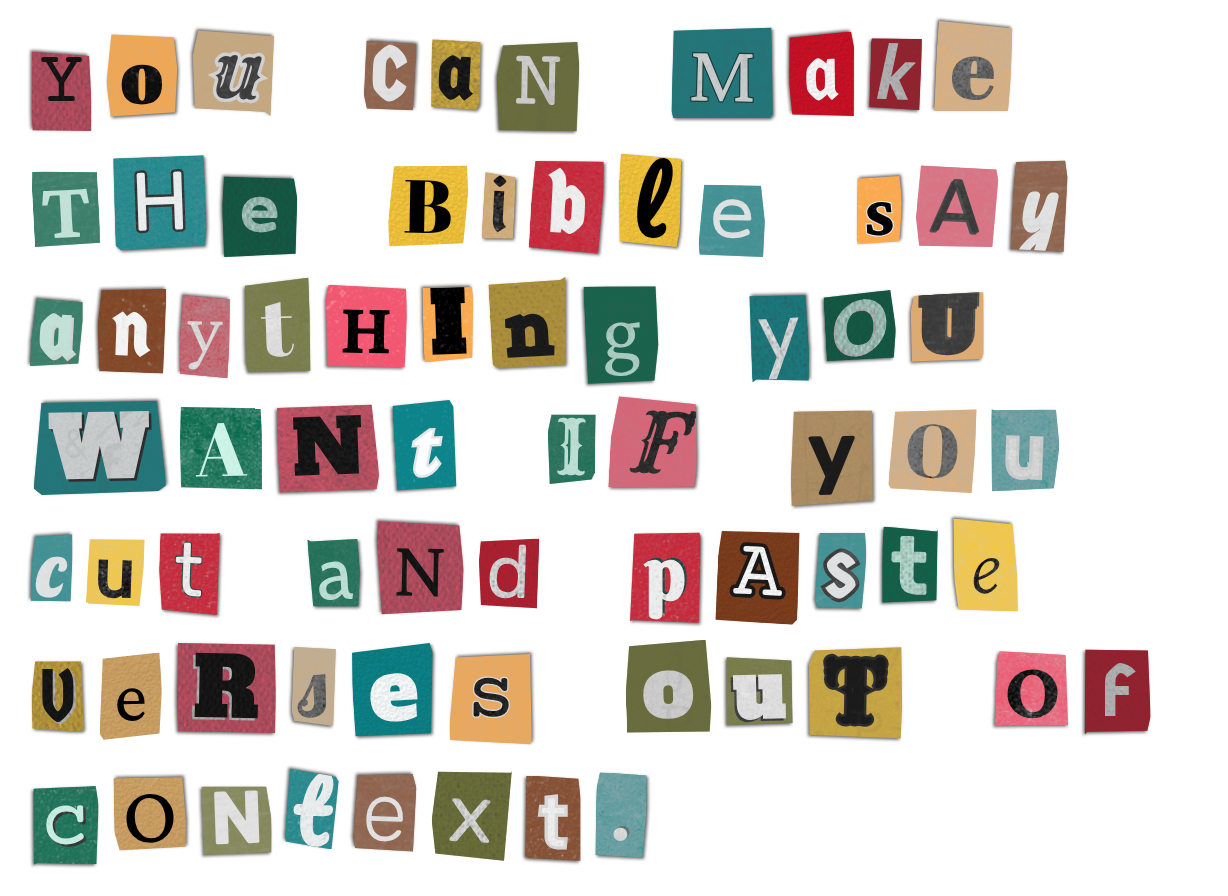
What does the Bible say about adding to it or removing from it? The Scriptures were never meant to be used the way a serial killer uses a magazine. If you take God’s Word and cut out the verses you don’t like, or paste together only the ones that affirm what you already believe, you can make the Bible say almost anything. That is ransom-note theology—taking God’s holy Word, slicing it into fragments, and rearranging it until it serves your desires instead of transforming your heart. But the Scriptures were not …
Sabbath

What do scriptures say about “Moral vs. Ceremonial” Law? A Biblical and Historical Response

One of the most common arguments raised against keeping the Sabbath or dietary laws is that they are “ceremonial,” not “moral.” The claim is that ceremonial laws were temporary, abolished in Jesus, while only moral laws remain binding. At first glance this sounds neat and tidy. But a closer look reveals this distinction has no biblical foundation. In fact, it is an invention of later church tradition, not the Word of God. The Scriptures Never Divides the Law This Way Nowhere in Scripture do we find God, Moses, the prophets, …
go top